
Before buying an English Springer Spaniel puppy
What to consider before deciding to bring home an English Springer Spaniel — or a dog of any breed.
When we choose to share our lives with a dog, a sentient animal, we should be ready to offer respect and affection. The relationship can bring a great deal in return.
Bringing a puppy home means accepting responsibility for its whole life. Learning before you bring home a puppy or adult dog helps you decide whether you can meet that commitment. For a healthy, happy relationship, we must meet the dog’s basic needs.
An English Springer Spaniel is a dog, with needs that go beyond its appearance or our expectations of a pet. Dogs are social animals, and their wellbeing depends on appropriate care, positive relationships and opportunities for normal behaviour:
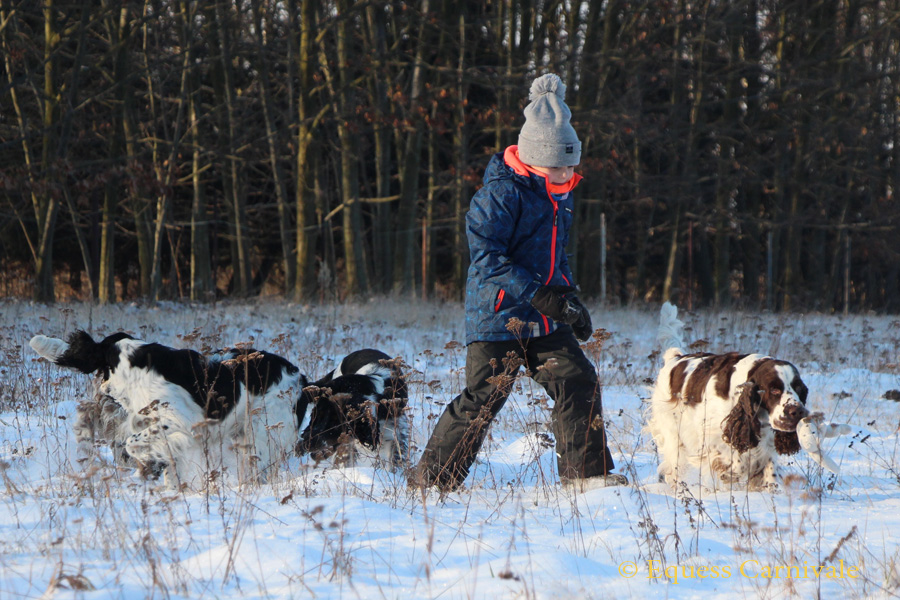
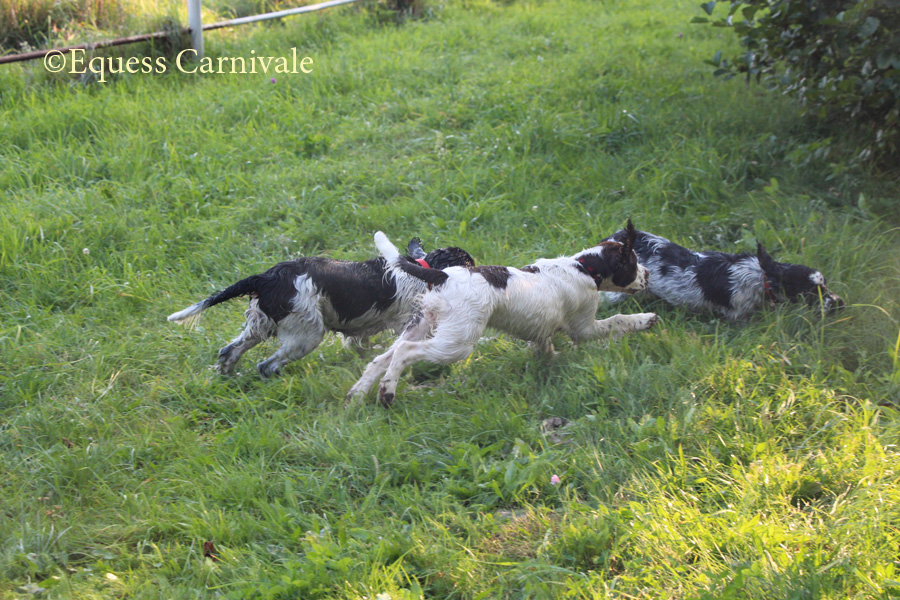
1. Opportunities to move freely and sniff.
A Springer needs opportunities to explore beyond the garden. Sniffing provides information about its surroundings, and searching is especially rewarding for a gundog.
Regular walks should allow time for exploration and suitable movement. Off-lead activity requires a safe, permitted setting and reliable recall; otherwise, a safely handled long line attached to a suitable harness can offer more freedom.
The length and intensity of exercise must match the dog’s age, development, health and fitness. Long adult walks are not a prescription for a young puppy. Ask your vet about an appropriate plan.
A suitable walk and a calm settling routine before a short absence may help a dog relax, but exercise alone does not resolve distress about being left. Teach time alone gradually.
2. Security through companionship.

Springers need social contact and a sense of belonging. Time together matters, whether it means playing, training, walking or quietly resting nearby. Gentle attention and shared activities strengthen your relationship.
A dog experiences pain, fear, joy and distress. Remember this throughout its life: will you still make time for it when the appealing puppy becomes an adolescent, and later an elderly dog?
Many dogs find long periods alone difficult. If work and travel keep you away for most of the day, plan reliable support, company and breaks before taking on a puppy. Consider honestly whether your routine can meet its needs.
3. Feeding and chewing.
Dogs enjoy searching for food and need appropriate opportunities to chew. A complete diet suited to the dog’s life stage is the foundation; use part of its daily allowance in training or food-search games where suitable.
Raw feeding and bones are not necessary to meet these needs. Raw meat can carry pathogens and a home-prepared diet can be unbalanced; bones can break teeth or obstruct the digestive tract. Choose chews and toys suitable for the individual dog, supervise their use and remove damaged items.
On days when outdoor activity is limited, safe chewing and food games can provide enrichment, alongside the dog’s essential exercise, toilet breaks and companionship.
4. Mental stimulation.
• Sniffing: a dog processes a wealth of information during a walk.
• Food-search games and suitable puzzle feeders: finding a reward offers a manageable challenge.
• Training and shared games: short, positive sessions stimulate the mind and strengthen your bond.
• Interactive toys: choose appropriate difficulty and introduce them under supervision. Only leave an item with the dog when you know it is safe for that individual.


5. Attachment, affection and trust.
Social relationships matter to dogs, just as they do to people. Gentle contact, predictable care and respect for the dog’s choices help build trust and a feeling of security. Affection should be offered in ways the individual dog enjoys.
All these needs matter, and they overlap. They are listed separately only to make them easier to consider. We hope they help you make a thoughtful decision. 🙂
Based on the article by Ewa Kochalska — EQUESS CARNIVALE. English edition with welfare and nutrition clarifications. Further reading: WSAVA — raw meat-based diets and AVSAB position statements.